Ice Dams: How to Protect Your Roof and Prevent Structural Damage This Winter

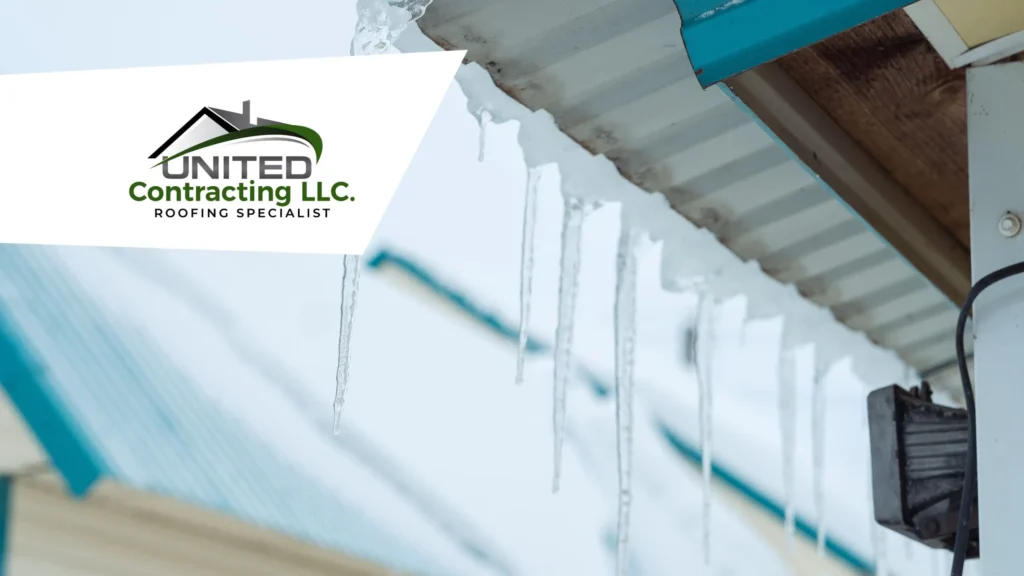
Informative image about preventing damage to your home. It shows a section of a house roof during winter with ice dams forming in Kentucky.

With the arrival of cold temperatures in Kentucky, homeowners must deal with a weather phenomenon that, although silent, can seriously compromise the integrity of their home: ice dams.

Understanding how these ice deposits form and the risk they pose to your roofing system is essential to avoiding costly repairs.

Below, we will explain how to protect your roof and prevent damage caused by ice dams in your home to ensure that your home remains dry and protected this winter.

What is an Ice Dam and How Does it Form?

An ice dam is an accumulation of ice that forms at the edge of a roof, specifically on the eaves or gutters. Its appearance is not random nor does it depend solely on the outside weather; it is the result of a thermal imbalance between the different sections of your roofing system.

The Technical Process of Melting and Reflux

The formation of this phenomenon follows a specific physical sequence that every homeowner should be aware of:

  • Snow Melting: Heat escaping from the living areas of the property into the attic raises the roof surface temperature above 32°F (0°C). This causes the layer of snow in contact with the shingles to begin to melt, even on days with sub-zero temperatures.

  • Runoff and Freezing: The resulting water flows by gravity toward the edge of the roof. When it reaches the eaves or gutters—areas that do not receive heat from inside the house—the temperature drops again. Upon contact with this cold area, the water solidifies.

  • Dam Effect: This accumulated ice creates a physical barrier that prevents the drainage of subsequent meltwater. The retained water accumulates behind the ice, rising up the roof and seeping under the shingles by capillary action, overcoming conventional protective barriers.

Consequences and Critical Risks to Property

The presence of ice dams in a home is not just an external drainage problem; it poses a direct threat to the structural components and health of the home’s inhabitants.

When water manages to overcome the barrier of the shingles, the effects are often progressive and costly:

  • Deterioration of Interior Finishes: Water seeps into beams, walls, and ceilings, causing moisture stains, paint peeling, and damage to drywall.

  • Compromised Thermal Insulation: Insulation loses its thermal resistance when wet. Wet insulation not only becomes inefficient, but also accelerates the cycle of ice formation by allowing more heat to escape from the house.

  • Biological and Structural Risks: Persistent moisture in hidden cavities is the ideal environment for mold and mildew to grow.

  • Structural Risks: Over time, constant exposure to water can rot the roof decking, weakening the main structure.

Roofing System Prevention and Preparation

The key to preventing ice dams is not to remove the ice manually, which can be dangerous for the homeowner and damaging to the shingles, but to properly manage ventilation and insulation.

Pillars of a Winter-Resistant Roof

A professionally optimized roofing system must meet three fundamental requirements before the first snowfall:

  • Superior Insulation: Keeping heat inside living spaces and out of the attic is vital. A well-insulated attic prevents unnecessary heating of the roof surface.

  • Balanced Ventilation: A constant flow of air entering through the soffits and exiting through the ridge vents is necessary. This keeps the roof at a uniform temperature, close to the outside, preventing snow from melting prematurely.

  • Protective Membranes (Ice & Water Shield): It is essential to have a self-adhesive, waterproof membrane on the eaves. This additional barrier is designed to seal around nails and prevent accumulated water from penetrating the wood even if ice stops at the edge.

The Importance of a Professional Technical Inspection

A preventive assessment of ice dams by professionals allows for the identification of vulnerabilities that are not visible to the naked eye, such as obstructions in ventilation ducts or deficiencies in the sealing of roof penetrations. Our technical team evaluates each component to ensure that your roofing system functions as a cohesive unit against the elements.

If you want to ensure that your home has the protection it needs to withstand the demands of Kentucky’s winter weather, contact us today. Our experts will perform a specialized technical inspection to guarantee your peace of mind and the longevity of your investment.
United Contracting

Book now for a free estimate