(859) 559-2244
(502) 938-7663
(513) 500-6632
(606) 222-0669
Choosing the right siding company for your Kentucky home is one of the most important exterior decisions you’ll ever make. Not just for curb appeal, but for protection, energy efficiency, and long-term value. The two materials homeowners ask about most right now? Vinyl siding and fiber cement, also known as Hardie Board. Both are worth considering. But they’re not the same, and they’re definitely not for every situation.
At United Contracting, we’ve installed and replaced siding across Kentucky for over 15 years, from Louisville to London, from Lexington to Florence. We’ve seen it all. Warped vinyl that couldn’t survive a Kentucky summer. Fiber cement installed by crews that had never touched the material before. Homeowners stuck with beautiful-looking siding that voided its warranty six months in because the installation was wrong.
This guide is for you. Whether you’re replacing storm-damaged siding, updating an aging exterior, or just ready to stop patching and start fresh, here’s everything you need to know before you call a contractor.
Siding replacement isn’t just about looks. Your home’s exterior is its first line of defense against rain, wind, heat, humidity, and pests. When that layer fails, the problems don’t stay on the outside. Moisture sneaks in. Energy bills creep up. Structural damage follows.
Here’s something most homeowners don’t realize: by the time you see visible cracks, warping, or fading, the underlying damage has often already started. Waiting doesn’t save money. It costs more.
The most common reasons Kentucky homeowners contact our siding installation team include:
Any of those sound familiar? You’re not alone. And the good news is that a quality siding replacement, done right, pays for itself over time.
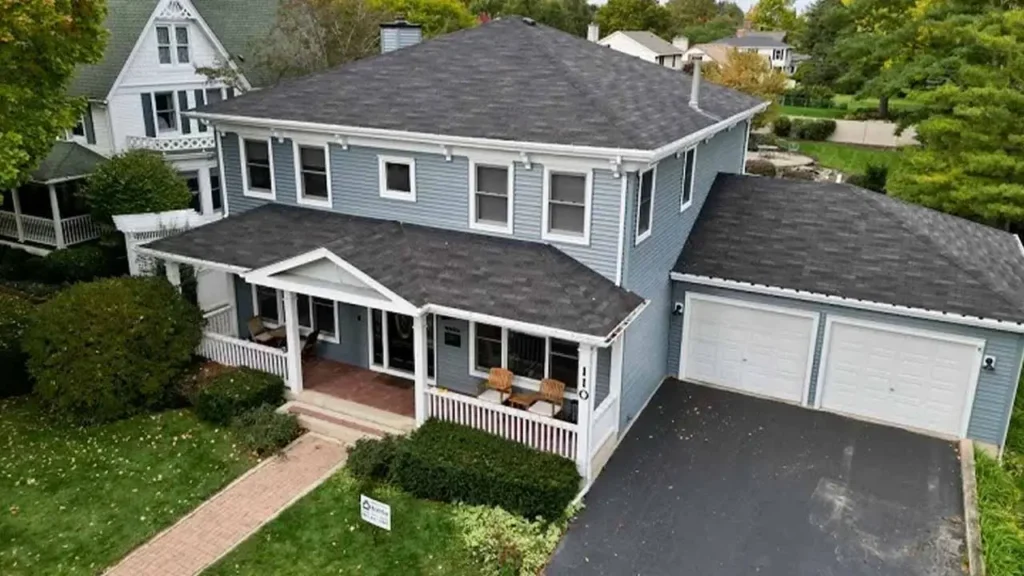
Vinyl and fiber cement are the two most-requested materials for siding replacement in Kentucky today. Both have real strengths. Both have real trade-offs. The best choice depends on your budget, your home, your neighborhood, and how long you plan to stay.
Vinyl siding is made from polyvinyl chloride, better known as PVC. It’s lightweight, affordable, and requires almost zero maintenance once installed. No painting. No staining. A good rinse now and then and you’re done.
Our vinyl siding installers work with it regularly for a reason. It installs faster than fiber cement, which keeps labor costs lower. Material costs typically run between $2 and $5 per square foot installed, and a full project on an average home usually lands between $5,500 and $16,000, depending on size and complexity.
Vinyl is an excellent choice if:
The honest downside? Vinyl can warp in intense heat (keep the grill away from it), crack in severe cold, and fade over time, especially darker colors. And it won’t give you the same premium feel or resale advantage that fiber cement does. But for the right home and the right budget, vinyl is a very smart choice.
Important detail: look for VSI-certified vinyl siding installers. The Vinyl Siding Institute runs a certification program that trains and tests installers on proper techniques, including how to allow for expansion and contraction, which is where most vinyl failures start. Eclipse Roofing in Louisville is VSI-certified. We’re proud to hold that standard too.
Fiber cement siding, most commonly James Hardie Board, is made from a compressed blend of Portland cement, sand, and cellulose wood fibers. It’s dense, heavy, fire-resistant, and built to outlast almost everything else on the market.
Here’s a fact that surprises a lot of people: Hardie Board is roughly five times thicker than standard vinyl siding. You can feel the difference just holding a panel. And that thickness translates directly into durability, impact resistance, and the ability to hold paint for 10-15 years at a stretch.
Fiber cement is ideal for homeowners who:
Cost-wise, expect to pay between $4.70 and $8.50 per square foot for fiber cement materials and installation. A full replacement on a 2,000 sq. ft. home typically runs between $14,000 and $30,000, factoring in labor, trim, and prep work. It costs more upfront than vinyl. There’s no getting around that.
But think about it this way: fiber cement often outlasts two or three vinyl installations over the same period. When you factor in long-term maintenance, repainting intervals, and potential replacement costs, the total cost of ownership frequently favors fiber cement for homeowners who plan to stay put.
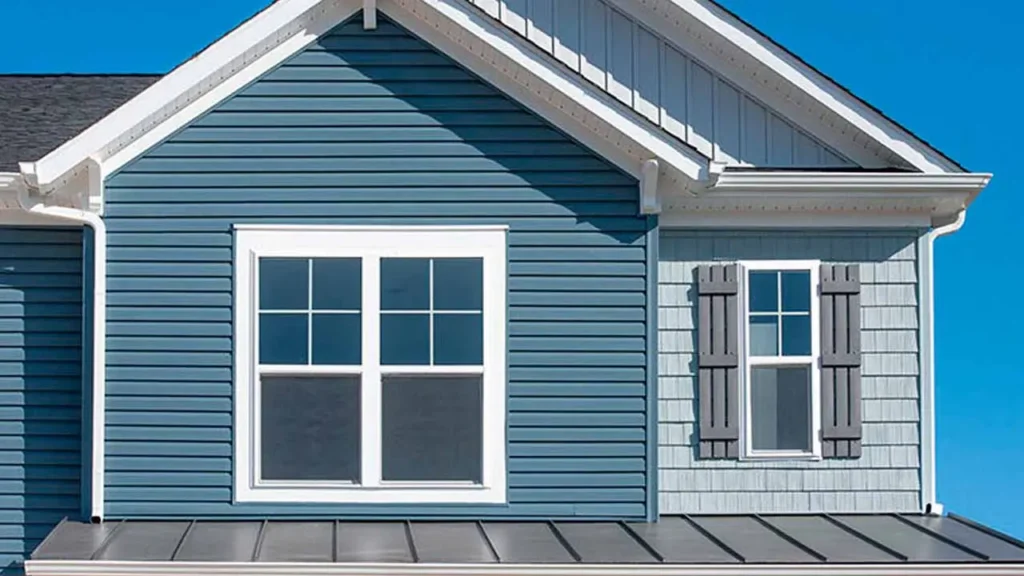
Cost is almost always the first question, and it’s a fair one. But “how much does siding cost?” doesn’t have a single clean answer. The honest range for a full siding replacement in Kentucky is roughly $5,500 to $30,000 or more, depending on material, home size, and project complexity.
Here’s a breakdown by material that our team works with every day:
Several factors push your number toward the lower or higher end of those ranges. Anyone who gives you a firm quote without walking your property first is guessing.
Our team always provides a detailed written estimate before any work begins. Line by line. No surprises.
Not every siding company is the same. In fact, the quality gap between the best and the worst contractors in Kentucky is significant. The wrong installation can void manufacturer warranties, let moisture into your walls, and cost you far more than you saved on a cheap quote.
When you’re searching for exterior trim contractors near me or a trusted siding company in your area, here’s what to actually look for:
Here’s something that catches homeowners off guard: improper installation is the number one cause of siding failure. Not the material. Not the weather. The installation.
Fiber cement siding is especially unforgiving. Cutting it incorrectly releases silica dust that requires respiratory protection. Installing it without proper clearances, flashing, and moisture barriers will let water in behind the panels, which can rot the sheathing and void the James Hardie warranty entirely.
The VSI Certified Installer Program trains and tests professionals on exact techniques, and recertification is required every five years to ensure they stay current. When you’re comparing options from exterior trim contractors near me, ask directly: Are your installers certified? What brands are they certified with?
The right answer should be immediate and specific.
We understand that a siding replacement is a significant investment. Most homeowners only do it once or twice in their lifetime. That’s why we built a process that keeps you informed, protected, and in control at every step.
Here’s exactly what working with our united siding team looks like:
We serve homeowners across Lexington, Louisville, Northern Kentucky, Nicholasville, Georgetown, Richmond, Frankfort, and beyond. As a locally owned and operated contractor with two generations of building trade experience, we’re not going anywhere. We live here too.
You can learn more about our team, certifications, and community involvement at unitedcontractingky.com.
Most residential siding projects in Kentucky take between 3 and 10 days, depending on the size of your home and the material used. Fiber cement takes slightly longer than vinyl due to its weight and precise installation requirements. Multi-story homes and complex architectural designs can extend the timeline.
Technically, yes. Practically, we’d usually advise against it. Installing over old siding can hide underlying moisture damage, rot, or pest issues that will get worse over time. It also adds weight to your home’s structure and can create an uneven surface that affects the finished look. In most cases, removing the old siding is the right move.
Yes, meaningfully so. Quality siding, especially when paired with a moisture barrier and insulated sheathing, helps regulate indoor temperatures by reducing air infiltration. Many Kentucky homeowners see a noticeable reduction in heating and cooling costs after a full siding replacement.
For long-term homeowners, usually yes. Fiber cement lasts 30-50+ years compared to vinyl’s 20-30 year lifespan, resists fire and impact far better, and delivers a higher return on investment at resale. For homeowners planning to sell in the next few years or working with a tighter budget, quality vinyl siding is an excellent choice that still adds real value.
Great question, and the answer depends on the extent and location of the damage. Isolated panel damage, small cracks, or localized moisture issues can often be repaired by a skilled siding company at a fraction of replacement cost. But if damage is widespread, if the siding is near or past its expected lifespan, or if moisture has reached the sheathing behind the panels, full replacement is almost always the more economical long-term choice. Our free inspection will give you a straight answer.
There’s no universal licensing requirement, but VSI certification is the industry standard for vinyl siding installation. Certified vinyl siding installers have been trained and tested on proper techniques, including how to allow for expansion and contraction, which prevents the buckling and loosening that plague improperly installed vinyl. Always ask a prospective contractor about their certifications.
We serve homeowners across Central and Northern Kentucky, including Lexington, Louisville, Nicholasville, Georgetown, Richmond, Frankfort, Florence, Burlington, and surrounding communities. Our two locations allow us to respond quickly across the region.
Your home deserves siding that protects it, looks great, and lasts. Whether you’re leaning toward vinyl siding, fiber cement, or you’re not sure yet, the first step is simple: get a professional set of eyes on your home.
United Contracting offers free same-day or next-day siding inspections across Kentucky. No pressure. No obligation. Just a clear, honest assessment of what your home needs and what it’s going to cost. Our united siding team is BBB A+ accredited, Google 4.9-star rated, and HomeAdvisor top-rated for good reason: we do the work right and we stand behind it.
>> Get Your Free Siding Estimate at unitedcontractingky.com <<
Questions? Call us today. We answer.