(859) 559-2244
(502) 938-7663
(513) 500-6632
(606) 222-0669
because the freeze-thaw cycle in Central Kentucky is relentless, and brick and mortar don’t last forever on their own. The real question isn’t whether your masonry will need attention it will.
The question is whether you catch it early or wait until a small crack becomes a structural headache.
At United Contracting KY, we have seen firsthand how a property that looks fine on the outside can have mortar joints crumbling quietly behind the surface. We have also seen the opposite: homeowners who called us early, got a targeted repair done, and saved themselves thousands of dollars in the process.
Did you know? A single unaddressed crack in a brick wall can allow enough water infiltration to cause interior moisture damage costing $5,000 or more and it often starts with a gap no wider than a dime.
Lexington homeowners deal with a specific set of challenges. The winters are cold enough to freeze water trapped in mortar joints. The summers are humid enough to accelerate deterioration.
Brick looks tough, but it has vulnerabilities and masonry repair done right is a specialized skill. Not just any contractor can do it well.
A skilled masonry contractor in Lexington catches problems before they compound. That is the whole point.
Good question because “masonry” covers a lot of ground. In simple terms, masonry work involves the construction, repair, and restoration of structures built from brick, stone, concrete block, or mortar. That includes everything from a crumbling chimney to a sinking patio, a cracked retaining wall to a deteriorating front stoop.
Here is what a qualified masonry contractor Lexington should be able to handle:
Each of these services requires different skills, different materials, and different techniques. The right contractor knows the difference. Browse our full service lineup at unitedcontractingky.com/services/masonry-installation.
This is the conversation we have with homeowners almost every week. And the honest answer: most of the time, repair is enough. Full replacement is expensive and disruptive, and it is rarely necessary unless the structural brick itself is fractured, spalling severely, or compromised at the foundation level.
Here is a simple way to think through it:
When in doubt, get a professional assessment. A good masonry contractor will tell you straight repair or replace without trying to upsell you on work you do not need.
Here is something most homeowners do not realize: your chimney is one of the most exposed masonry structures on your property. It sits on top of your house, fully exposed to rain, wind, ice, and heat cycling year-round. If there is any part of your home that needs regular masonry attention, it is the chimney.
Bold fact: Failure to properly maintain chimneys is one of the leading causes of residential fires, according to the National Fire Protection Association. In Lexington’s climate, freeze-thaw deterioration of chimney mortar is nearly inevitable without periodic maintenance.
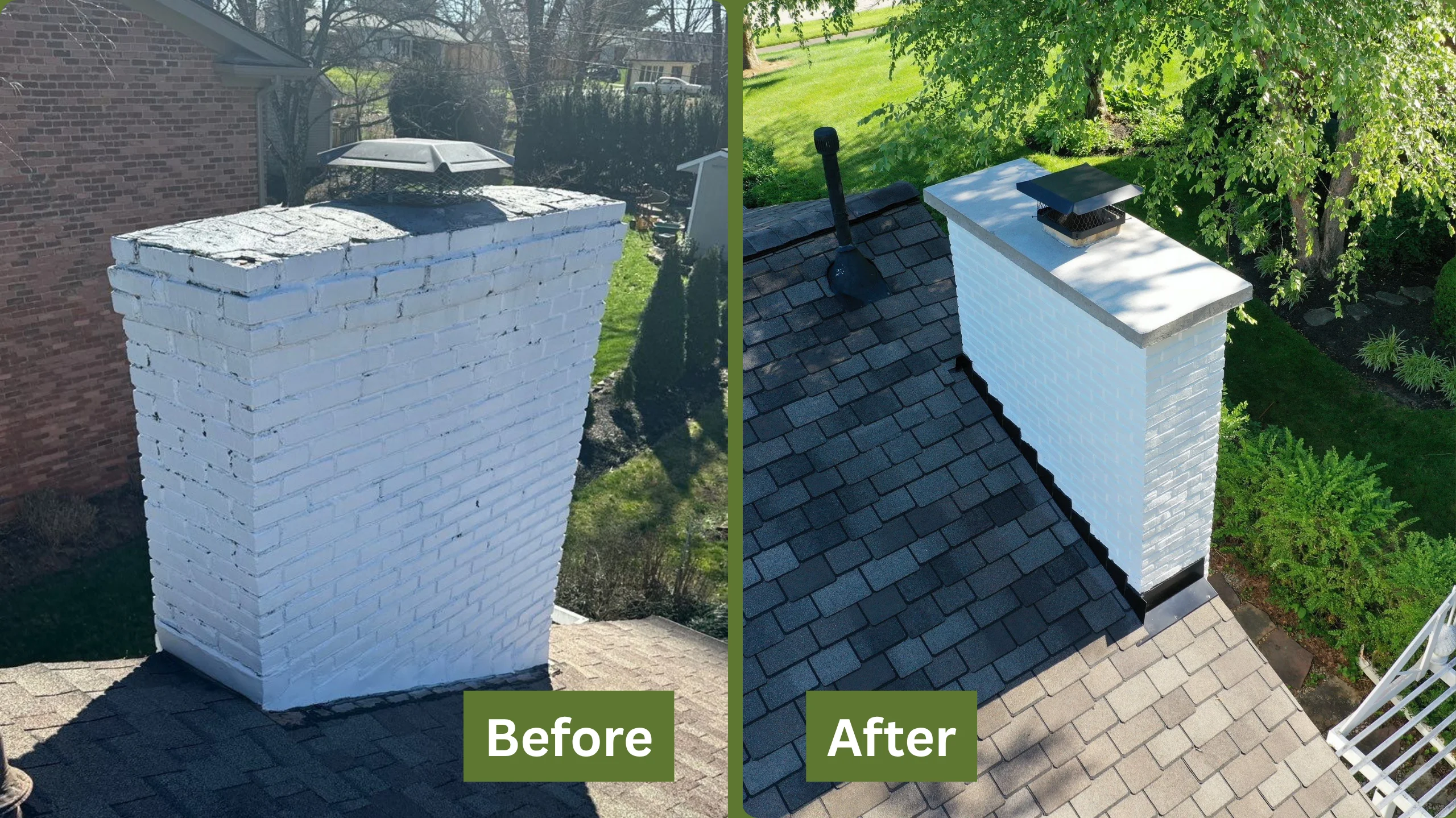
When it comes to chimney repair in Lexington KY, most homeowners underestimate how exposed that structure really is, from tuckpointing crumbling mortar joints to full chimney rebuilds when the damage runs deeper. We also handle chimney crown repair, flashing replacement, and chimney cap installation.
Do not wait for a rainstorm to find out your chimney has a problem. Here are the warning signs to look for several of them are visible from the ground:
You may not notice all of these signs from the ground. That is why we recommend a professional chimney inspection every two to three years, especially if your home is older than 20 years or you experienced a harsh freeze last winter.
If you have never had chimney masonry work done, here is what the process actually looks like when you hire United Contracting KY:
A standard chimney repair typically takes one to two days. A full rebuild takes three to five days depending on chimney size and accessibility.
We work on properties across Lexington every week from older brick colonials in Chevy Chase and Kenwick to newer construction in Hamburg and Andover. Here is what we see most often, and what happens when it gets ignored:
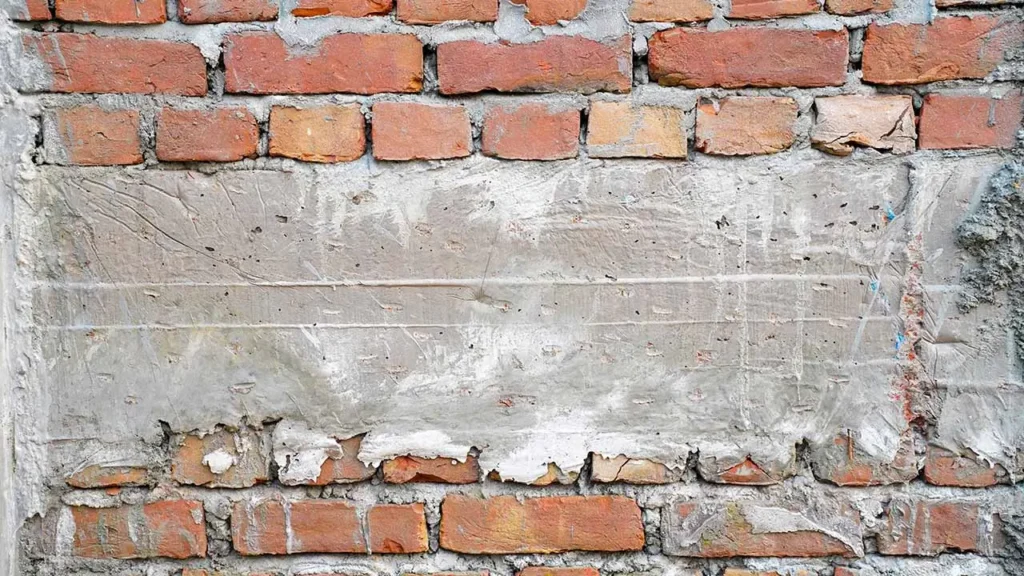
This is the number one issue we see. The mortar between bricks is softer than the brick itself it is designed that way, to act as a buffer. But that also means it wears out first. Once mortar begins to crumble, water gets into the wall cavity, and interior moisture damage follows. Tuckpointing is the solution, and catching it early is far cheaper than repairing the damage it leaves behind.
When water gets trapped inside brick and then freezes, the expanding ice pops the face of the brick off. You will notice this as pitting, flaking, or layers peeling away from the brick surface. Left untreated, the brick loses its structural integrity over time. Spalling is especially common on chimneys and on north-facing walls that hold moisture longer.
The chimney crown is the concrete cap that seals the top of the chimney. It cracks from thermal expansion, weathering, and general age. Once it cracks, water enters the flue, damages the liner, and can work its way into the firebox or even the attic.
Crown repair is one of the most cost-effective maintenance items a homeowner can address.
Poor drainage, root pressure, and soil movement are the usual culprits. A retaining wall that begins to lean is not going to straighten itself out the lean will worsen over time and eventually the wall will fail.
This is a safety issue, not just a cosmetic one. If you notice any movement in a retaining wall, get an assessment before the next heavy rain.
Ground settlement, tree root pressure, and age all contribute to cracked brick or stone walkways. Beyond the aesthetic problem, cracked and uneven walkways are a trip hazard. They also allow water to pool and accelerate the cracking further. In most cases, targeted repairs and re-leveling are sufficient full replacement is rarely needed for a well-built walkway.
Have you noticed any of these on your property? Most start small. The homeowners who call us early almost always pay significantly less than those who wait a season or two.
We are not the only masonry contractor in Lexington. We know that. But here is why homeowners across Central Kentucky keep calling us back and why we believe we are the right fit for most jobs.
We serve Lexington and the surrounding areas, including Nicholasville, Georgetown, Versailles, Winchester, and Paris. Learn more at unitedcontractingky.com.
Fair question and the honest answer is that it depends on scope, materials, and how far the deterioration has progressed. That said, here are realistic ballpark ranges based on the projects we handle most often:
These are estimates, not fixed prices. Every job is different. The best way to get an accurate number is to schedule a free on-site estimate request one here and we will get back to you within 24 to 48 hours.
Run your finger across the mortar joints on your brick wall or chimney. If mortar crumbles, flakes, or feels soft and powdery, it needs attention. Visually, look for gaps, cracks, or areas where mortar has recessed more than 1/4 inch below the brick face. Any of those signs mean it is time to call a masonry contractor Lexington for an evaluation.
They are very similar and the terms are often used interchangeably. Technically, repointing means removing and replacing deteriorated mortar joints. Tuckpointing, in its original sense, involves applying two colors of mortar to create a precise, decorative fine-line appearance.
In practice, most U.S. contractors use the terms to mean the same thing: grind out the old mortar, pack in the new.
Technically yes, and you will find plenty of tutorials online. But here is the reality: using the wrong mortar type on an older brick home is a common and expensive DIY mistake. Pre-mixed hardware store mortar is often too hard for vintage soft brick and can cause the bricks themselves to crack over time.
A professional knows which mortar formulation matches your home’s construction period and brick type. For small cosmetic repairs in non-critical areas, DIY may be fine. For chimneys, structural walls, or anything load-bearing hire a professional.
We recommend a professional chimney inspection every two to three years for homes with active fireplaces, and every three to five years for decorative chimneys. Lexington’s freeze-thaw cycles are hard on mortar even a chimney that looks fine from the ground can have significant deterioration at the top.
Early action on chimney repair in Lexington KY is always more cost-effective than waiting for serious structural damage.
It depends on the scope. Cosmetic repairs like tuckpointing or crack patching typically do not require a permit. Larger structural work full chimney rebuilds, retaining walls above a certain height, or changes to the structural makeup of the home may require a permit from the Lexington-Fayette Urban County Government. A reputable masonry contractor Lexington will know what your specific project requires and handle the permitting process for you.
Done correctly, tuckpointing should last 20 to 30 years. Brick itself, properly maintained, can last well over a century some of Lexington’s oldest brick homes are proof of that. The key is using the right materials and addressing problems before they compound. Repairs done with mismatched mortar or improper technique may look fine initially but fail within five to ten years.
If you have made it this far, you already know more about masonry and brick repair than most homeowners in Lexington. Now the next step is simple: do not wait for the problem to get worse. The best time to fix a crack is before it becomes a collapse.
United Contracting KY is Lexington’s experienced exterior masonry contractor, serving homeowners across Central Kentucky with honest work, quality materials, and straightforward communication. Whether you need chimney repair in Lexington KY, a brick wall repointed, a retaining wall rebuilt, or a full masonry assessment on an older home we are ready to help.
Ready to protect your home? United Contracting KY is Lexington’s trusted masonry and brick repair specialist. Request your free estimate today before a small crack becomes a costly repair.