The Best Gutter Guards in Kentucky

House Man Unclogging Gutters

Tired of dealing with overflowing gutters that threaten your home? In Kentucky, with its seasons and abundant trees, clogged gutters are a recurring problem that can cost you dearly. Investing in Gutter Guards for your Kentucky home is a smart financial and preventive decision.

Discover how these simple yet effective systems protect your home, saving you time, money, and worry in the long run.
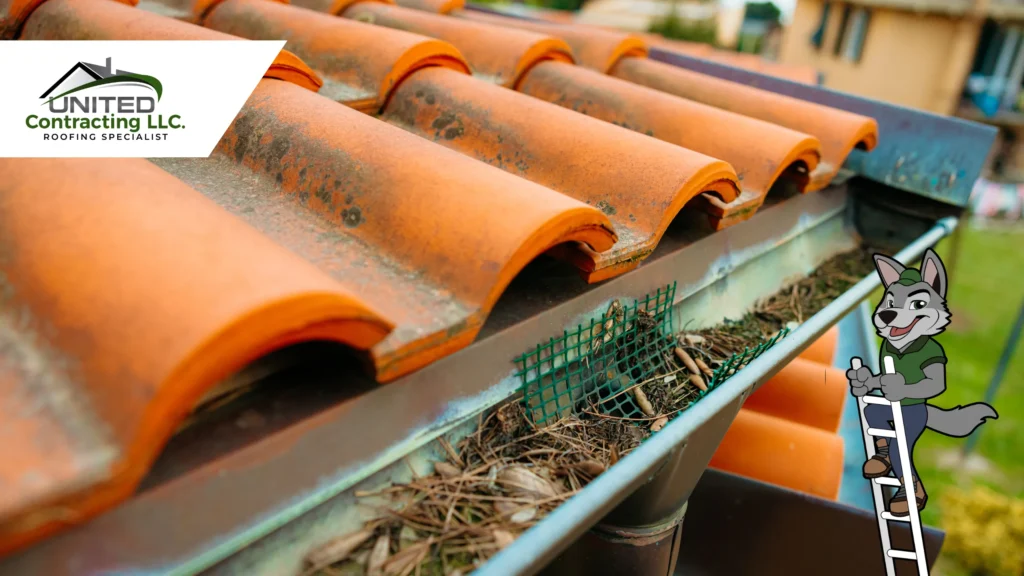
Why Are Gutter Guards Essential in Kentucky?

Constant exposure to falling leaves, branches, and other debris, combined with our rainfall, can cause serious problems. Taking preventive action with guards is a smart investment in the durability and value of your property.

Risks of Clogged Gutters

When gutters don’t work, water overflows, causing a series of costly damages:

  • Foundation Damage
  • Indoor Moisture Problems
  • Facade and Roof Deterioration
  • Landscaping Erosion and Pest Attraction

These problems not only generate unexpected expenses but also devalue your property, making gutter protection a necessity.

How Protectors Reduce Maintenance Costs and Major Repairs

Investing in gutter protectors translates into significant long-term savings in both money and time:

  • Less Maintenance
  • Prevention of Major Damage
  • Extended Service Life
  • Indirect Energy Efficiency
  • Higher Resale Value

Gutter protection is a smart investment that quickly pays for itself through ongoing savings and the preservation of your home’s value.

Types of Gutter Guards: Which One Is Best for Your Kentucky Home?

Choosing the right guard is crucial for effective protection. There is no one-size-fits-all solution; the best option depends on your environment and the type of debris in Kentucky. Exploring the most common types will help you make the most informed decision for your property.

Fine Mesh (Micro-Mesh): Highly Effective Against Fine Debris

Extremely fine mesh (stainless steel or aluminum) that filters out even pollen and sand, allowing only water to pass through. Debris remains on the surface and is blown away by the wind.

  • Advantages: Maximum protection against almost all debris, very durable and corrosion resistant, versatile for various roofs.

  • Disadvantages: Higher initial cost, requires occasional cleaning of very fine debris, may freeze in very cold climates, temporarily affecting drainage. Ideal for maximum peace of mind.

Solid Surface Protectors (Hoods/Helmets): Smart Water Deflection

They cover the gutter with a curved surface. Water sticks to the surface and slides through a small opening, while debris falls to the ground.

  • Advantages: Very effective against large leaves, virtually maintenance-free, durable (commonly aluminum), improves aesthetics.

  • Disadvantages: High cost, may not be as effective with very fine debris (pine needles), possible overflow in extreme torrential rains if the opening is limited, usually requires professional installation.

Filters and Brushes: Practical and Economical Solutions

Foam Filters: Blocks of porous foam that fit into the gutter.

  • Pros: Low cost, very easy to install.
  • Cons: Clog with fine debris, require regular cleaning, prone to mold and UV degradation.

Gutter Brushes: Cylindrical brushes that are inserted into the gutter.

  • Pros: Easy installation, low cost.
  • Cons: Debris can become entangled, require regular cleaning, less effective for very fine debris.

These options are more economical and suitable for homeowners with fewer clogging issues or who prefer DIY solutions with occasional maintenance.

Key Factors for Choosing the Right Gutter Guard in Kentucky

The right choice is not only based on the type of guard, but also on how it suits the unique characteristics of your property and the Kentucky climate. Considering these factors will ensure an effective and long-lasting investment.

Kentucky Climate and Types of Debris

Your environment defines the best protection:

  • Heavy Rainfall: Choose guards with high water flow capacity to handle Kentucky’s torrential rains without overflowing.

  • Large Leaves: Hoods and sturdy screens are ideal.

  • Pine Needles/Seeds/Pollen: Micro-mesh is the most effective.

  • Winter Conditions: Make sure the system can support the weight of snow and does not contribute to ice dam formation, thus preventing ice damage to the roof.


An honest assessment of your environment is vital to selecting the most effective gutter solution.

Materials and Durability: An Investment That Lasts

The durability of the guard is crucial to your long-term investment:

  • Stainless Steel and Aluminum: These are the most durable, corrosion- and weather-resistant materials, ideal for a long guard life.


  • PVC/Plastic: Economical, but less resistant to UV rays and temperature fluctuations, with a shorter lifespan.


  • Manufacturer’s warranty: A solid warranty is an indicator of the quality and durability of the product, protecting your investment.

Opting for high-quality materials with good warranties is a wise financial decision.

Installation and Maintenance: DIY or Professional?

Proper installation is as important as the type of protector:

  • Professional Installation: Ensures precision, efficiency, and safety. Experts have the tools and experience, often with workmanship warranties. Recommended for complex systems and for your safety.

  • DIY Installation: Allows for initial savings on labor for simpler options, but carries safety risks and compromised performance if not done correctly. The product warranty may be void.

Select the Best Gutter Guards for Your Home

Preventing clogs and protecting your home investment is a smart strategy. By understanding the risks of clogged gutters, evaluating the types of guards, and considering specific factors such as climate and materials, you will be making an informed decision that will safeguard the value and peace of mind of your property for years to come. Do you have questions or need an expert for installation? Don’t hesitate to contact us!

United Contracting

Book now for a free estimate